On most menus, fries carry the best margin in the building. They also hide the most waste. Here's how we help operators look at the numbers.
Start with cost per portion, not cost per case
A case price means nothing without yield. A thicker cut covers a plate with fewer ounces; a thinner cut fills a basket with more. Weigh your standard portion, divide the case cost by the number of portions you actually get, and compare cuts on that number.
| Example | Case | Portion | Portions / case | Cost / portion |
|---|---|---|---|---|
| Straight cut 5/16", 6 × 5 lb | 30 lb | 5 oz | 96 | case ÷ 96 |
| Steak fry, 6 × 5 lb | 30 lb | 4 oz (same coverage) | 120 | case ÷ 120 |
Plug in your real prices — the "premium" cut is often cheaper per plate.
Control the scoop
Free-hand portioning drifts up over a shift. A fry scoop or bagger sized to your portion keeps every basket where you costed it, and it's faster for the line.
Sell the upgrade
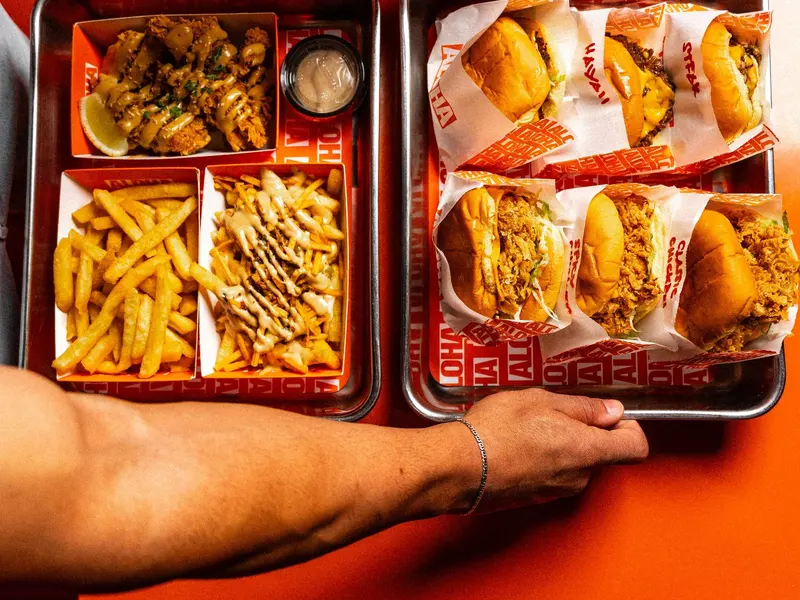
Sweet potato fries, seasoned fries, loaded fries and a "make it a large" all carry premiums well above their added cost. One upsell line on the menu board and a scripted question at the register move real money.
Watch the oil
Oil is the hidden cost. See fryer oil management — a filtration routine can be worth more than a lower fry price.